
Best Interest Free Payment Plan Options in 2026
, by Editorial Team, 15 min reading time















, by Editorial Team, 15 min reading time
Explore the best interest free payment plan options in 2026, from buy now pay later to store financing. Compare features, risks, and find the right fit.
Last Updated: September 30, 2026
Buy now, pay later providers originated close to $160 billion in consumer credit products in 2025, according to Federal Reserve research on BNPL beyond Pay in 4. That scale explains why interest free payment plans have moved from niche checkout gimmicks to mainstream budgeting tools. At Vickie Lynn's, shoppers can use flexible payment options for everything from seasonal fashion hauls to big-ticket electronics.
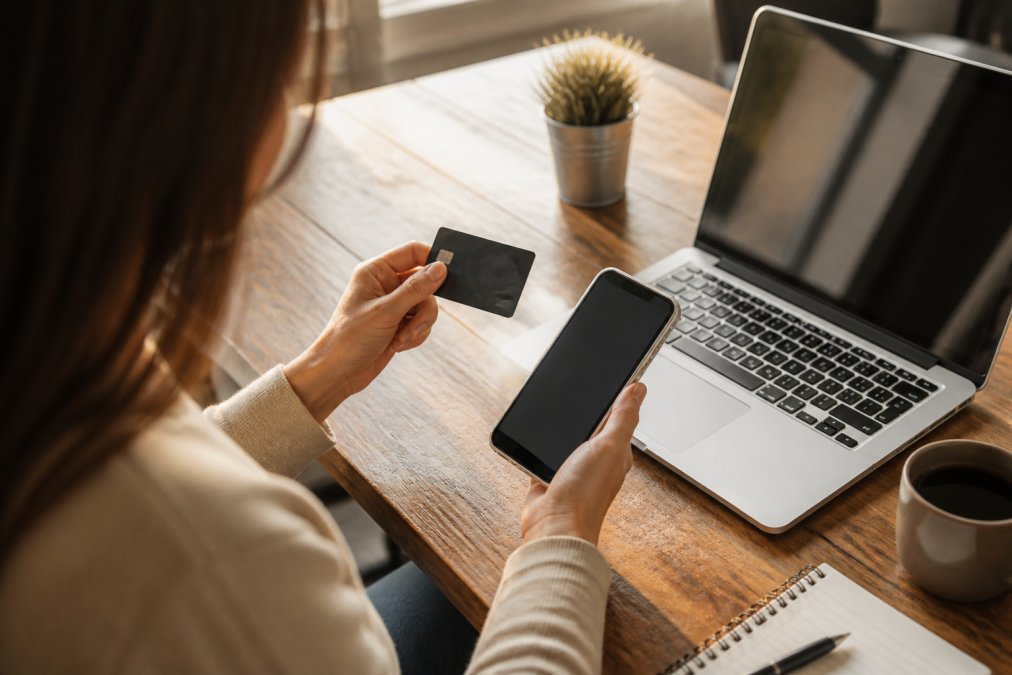
The classic pay-in-4 model splits a purchase into four bi-weekly installments, with the first due at checkout. The Federal Reserve confirms that virtually all pay-in-4 loans carry 0% APR. Longer-term plans stretch to 12 or 24 months and may charge deferred interest if you don't clear the balance in time.
Here's how the structures compare:
| Plan Type | Typical Term | Interest | Best For |
|---|---|---|---|
| Pay in 4 | 6 weeks | 0% APR | Small, everyday buys |
| Installment loan | 6-24 months | 0% or deferred | Larger purchases |
| Store financing | Up to 5 years | Often 0% promo | Furniture, appliances |
| Earned wage access | Same day | None | Covering a gap |
The best interest free payment plan options in 2026 fall into three camps: short pay-in-4 plans, longer installment products, and store-specific financing.
Pay-in-4 works best for purchases under a few hundred dollars. PayPal Pay in 4 covers purchases from $10 to $2,000, per PayPal's official Pay in 4 documentation. You pay 25% upfront and the rest over six weeks. No credit check, no interest, no revolving balance.
Some providers now finance purchases up to $15,000, according to CNBC's guide to the best buy now, pay later apps. Klarna's initial credit limit sits at $100 and can rise to $2,500. These plans suit furniture, electronics, and other big-ticket items where a six-week window won't cut it.
Retail store cards and earned wage access apps round out the category. EarnIn lets users access up to $150 per day with no interest and no mandatory fees, per EarnIn's product blog. Store financing, by contrast, can stretch to five years but often hides strict repayment terms. A widely shared cautionary example involves five-year zero-interest furniture plans where missing the fine print triggers significant financial risk.
Buy now, pay later is safe when you treat it as a budgeting tool, not free money. Regulators have pushed providers toward clearer disclosures, but the risk sits with the shopper.
Checkout integration means handing over payment data, purchase history, and sometimes bank account access. A common mistake is linking a primary checking account to every new app that offers a discount. Use a dedicated card or virtual number where possible, and revoke access once a plan is paid off.
Most pay-in-4 plans use a soft inquiry at checkout, which does not affect your credit score; longer installment plans often run a hard inquiry that can shave a few points temporarily. The bigger variables are whether the provider reports your account, how it classifies it, and how long the balance sits on your file.
BNPL providers fall into three reporting camps, which determine whether a plan helps, hurts, or does nothing to your credit:
Even when a provider reports, the damage depends on how the account is classified:
The newer 'credit-building' BNPL products let users opt in to reporting on-time payments. That sounds like a pure win, but it cuts both ways:
For most shoppers, the BNPL impact on credit is smaller than the impact of the underlying behavior. Missing a payment, maxing a revolving BNPL account, or stacking multiple reported plans does more damage than the initial hard inquiry.
The best BNPL app depends on what you're buying. An April 2026 Gallup poll found consumers favor Klarna for large purchases, Afterpay for small ones, and PayPal Pay in 4 for general online shopping. For most shoppers, Vickie Lynn's offers an expansive selection of over 16.5 million products across fashion, cosmetics, electronics, and home goods, and we offer interest-free payment options up to 4 months.
Other providers each have a lane:
| Provider Type | Sweet Spot | Credit Check | Reports to Bureaus |
|---|---|---|---|
| Vickie Lynn's | Multi-category retail | Soft | Varies by plan |
| Klarna | Large purchases | Soft/hard | Sometimes |
| Afterpay | Small purchases | None | No |
| PayPal Pay in 4 | General online | None | No |
| Earned wage access | Payday gaps | None | No |
"Interest-free" does not mean fee-free. Late fees, deferred interest, and return complications are where these plans get expensive.
A missed installment can trigger a flat late fee, and on longer plans deferred interest can retroactively apply to the full balance, the structure most shoppers misunderstand:
When you return an item bought on a BNPL plan, you are unwinding a three-party transaction:
Problems arise when:
Checkout integration means handing over payment data, purchase history, and sometimes bank account access. A common mistake is linking a primary checking account to every new app that offers a discount. Use a dedicated card or virtual number where possible, and revoke access once a plan is paid off. BNPL providers also build detailed shopping profiles that can be shared with third-party advertisers, affiliate networks, and retail partners.
Match the plan to the purchase, not the other way around:
Many buy now, pay later services offer zero percent APR for pay-in-4 plans, meaning you split a purchase into four equal bi-weekly installments with no interest. The Federal Reserve confirms that virtually all pay-in-4 loans are interest-free. Some retailers also offer longer-term zero-interest financing for larger purchases, though these often require a credit check and may carry deferred interest if you miss a payment.
Buy now, pay later is generally safe when used responsibly, but risks exist. A LendingTree 2026 report found that 47% of BNPL users made a late payment in the past year, which can trigger late fees and damage your credit if reported. Data privacy is another concern, as providers collect transaction data. To stay safe, read the terms, set up automatic reminders, and only use BNPL for purchases you can repay on schedule.
Most pay-in-4 BNPL plans do not affect your credit score because they use a soft credit inquiry and do not report payments to major bureaus. However, some longer-term installment plans perform a hard inquiry, which can lower your score by a few points temporarily. Additionally, missed payments may be reported to credit bureaus, hurting your score. New options allow users to report on-time payments to build credit history.
Interest-free plans can encourage overspending and debt stacking. The University of Chicago Booth School of Business analyzed 1 million credit cards and found that BNPL users often accumulate multiple plans, leading to financial strain. Hidden fees, such as late charges or deferred interest, can turn a zero-interest offer costly. Budgeting tools and automated reminders help you track due dates and avoid missed payments.
Blog posts